What It Really Takes to Build a Community (And Why Most People Get It Wrong)

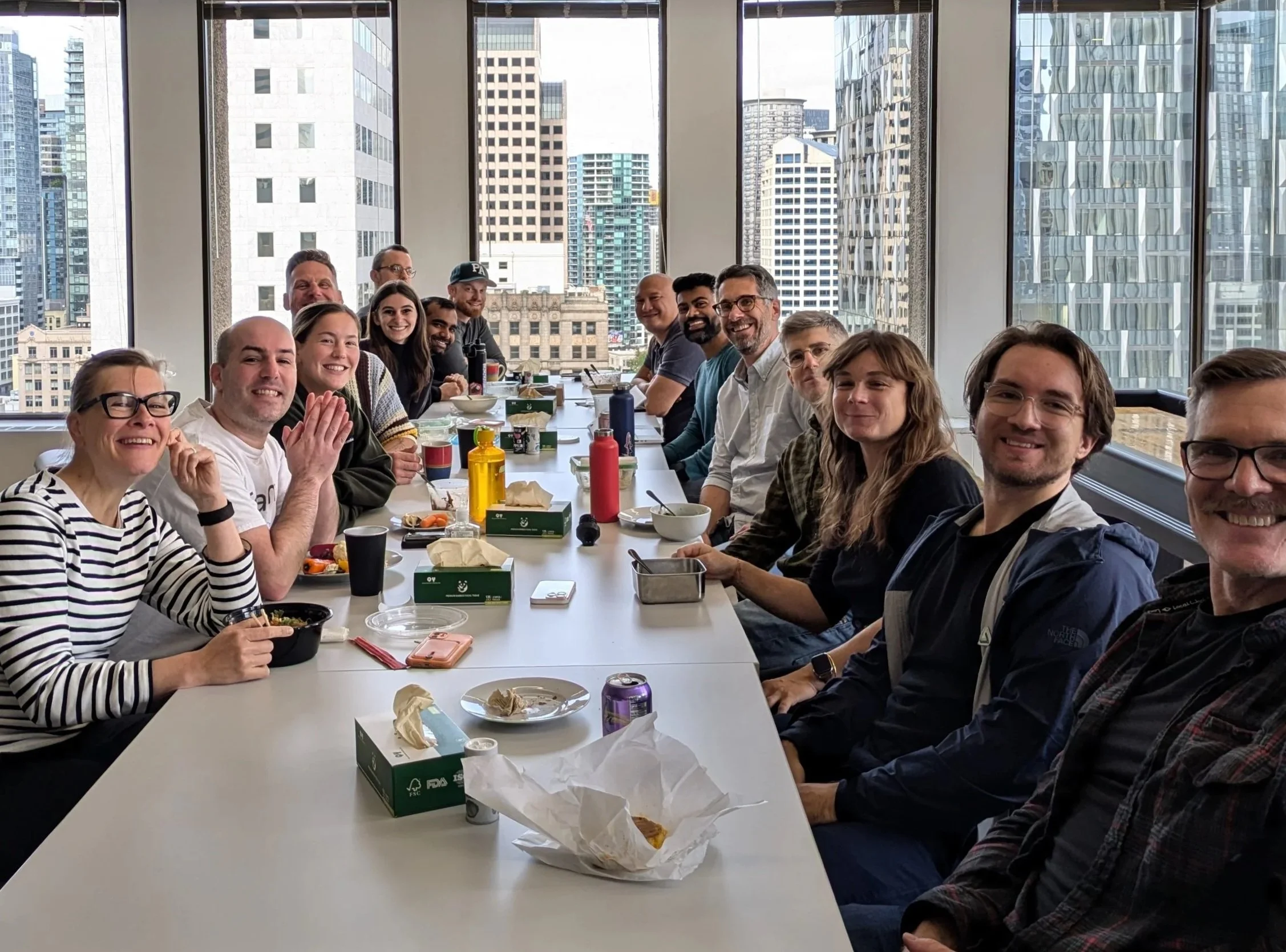
What community looks like at 9Zero Climate Hub in Seattle
When I started 9Zero, I underestimated how hard community building actually is.
I assumed the formula was simple: get the right people in a room and something meaningful would naturally emerge. That's not how it works.
Gathering like-minded people is the easy part. Nurturing what forms between them into something genuinely valuable — that's a different challenge entirely.
The coworking industry has commoditized shared space. Any operator can offer desks, wifi, and a nice kitchen — and many do.
What's hard — and what most community builders miss — is engineering an environment where:
-
The right people find each other organically
-
Trust forms faster than it would anywhere else
-
Collaboration produces results that none of them could have achieved alone
That's the part that takes everything you've got. It's also the part nobody sees from the outside.
Real community isn't a perk. It's not a Slack channel or a monthly meetup. It's the invisible infrastructure that makes extraordinary things possible.
If you're building a community — whether it's a climate startup ecosystem, a professional network, or something else entirely — you already know: the hardest work is the work that doesn't show.
-Co-Founder & CEO: Duncan Logan
Find your people.
Find your community.
Find 9Zero.
The Home of Climate